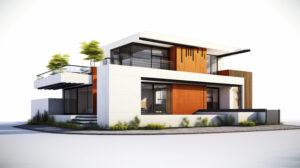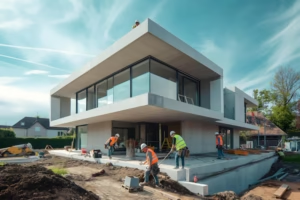

Building a home in Chennai is a significant financial commitment, and understanding the true construction cost in Chennai helps you plan better and avoid budget overruns. Whether you’re planning a compact villa, a spacious duplex, or a budget-friendly independent house, knowing the realistic costs per square foot, material expenses, and labor charges is essential for making informed decisions in 2026.
Chennai’s construction market has evolved significantly, with prices influenced by material availability, labor dynamics, and design complexity. This guide breaks down everything you need to know about home building costs, package options, estimation methods, and smart ways to optimize your construction budget without compromising quality.
The building cost in Chennai varies widely based on your design preferences, material choices, and finish quality. Unlike fixed pricing models, construction expenses are dynamic and depend on multiple factors that homeowners often overlook during initial planning.
Most builders in Chennai offer package-based pricing that includes everything from architectural drawings to final handover. These packages simplify budgeting by bundling services like soil testing, elevation designs, electrical layouts, and plumbing drawings into transparent square-foot rates.
Several elements determine the final cost to build a house in Chennai. Plot location plays a role,constructing in suburban areas like Tambaram or Urapakkam may differ from building in established neighborhoods like Adyar or OMR due to accessibility and labor availability.
Design complexity significantly impacts costs. A straightforward rectangular layout with standard room configurations costs less than homes with curved walls, multiple setbacks, or intricate elevation details. The number of floors also matters,duplex and villa projects require additional structural support and safety measures.
Material selection creates the most visible cost variation. Using premium tiles, imported fittings, and designer lighting increases your sqft rate substantially compared to standard Indian-made alternatives. However, quality materials often provide better longevity and lower maintenance costs over time.
Labor availability fluctuates seasonally in Chennai. During peak construction months (October to March), skilled workers command higher wages. Project timelines also affect costs, rushed projects with tight deadlines typically incur premium charges for extended work hours.
Modern builders in Chennai offer structured packages that provide clarity on house construction cost chennai expectations. These tiers cater to different budget ranges and quality aspirations, making it easier to choose what aligns with your financial capacity and aesthetic goals.
The foundational tier starts at ₹2,199 per square foot and targets budget-conscious homeowners seeking quality construction without premium finishes. This low cost construction chennai option includes all essential architectural services like scheme drawings for all floors, basic 3D elevation design, and half-layout visualizations that help you understand space distribution.
Electrical and plumbing drawings ensure your home’s utility systems are properly planned. Working drawings guide contractors during execution, while furniture layouts help optimize room functionality. You also receive coordination support for municipal approval processes and a soil test report that confirms ground stability.
This tier uses standard materials, vitrified tiles in living areas, ceramic tiles in bathrooms, basic CP fittings, emulsion paint for walls, and POP ceiling in select areas. Doors typically feature seasoned wood frames with flush doors, while windows use powder-coated aluminum frames with clear glass.
The standard package at ₹2,399 per square foot offers enhanced material quality and better finishes. This construction rate per sq ft chennai includes identical architectural deliverables as the entry level but upgrades key material specifications.
Expect better-grade vitrified tiles with designer options for living spaces, premium ceramic tiles with anti-skid properties for bathrooms, and branded CP fittings from recognized manufacturers. Wall treatments include premium emulsion with texture options, while ceiling work extends to more areas with modern designs.
Doors may feature engineered wood or solid wood frames with better finishing, and windows could include double-glazed glass for improved insulation. This tier suits families wanting durability and aesthetics without entering luxury territory.
At ₹2,699 per square foot, the premium tier balances luxury and practicality. This building cost in chennai segment appeals to homeowners who value design sophistication and want their homes to stand out.
Material upgrades become noticeable,imported tiles for featured walls, granite or marble for countertops, designer lighting fixtures, and false ceiling throughout the home. Bathrooms receive special attention with quality sanitary ware, rain showers, and modern fixtures.
The package maintains the same comprehensive architectural services but often includes closer supervision during execution and faster resolution of site issues. This tier uses higher-grade structural materials and better waterproofing systems that enhance building longevity.
The ultra-luxury package at ₹3,199 per square foot transforms construction into a custom design experience. Beyond standard architectural services, you receive site assessment reports, detailed interior views of all floors in 3D, room-by-room interior detailing drawings, and a complete 3D walkthrough that brings your future home to life before construction begins.
Landscaping architectural designs integrate outdoor spaces into your overall home concept. Material choices reach premium levels,Italian marble, imported sanitary ware, home automation provisions, designer woodwork, and custom-built furniture options.
This villa construction price chennai tier suits clients who view their home as a long-term lifestyle investment and want every detail customized to their preferences. Construction teams typically include experienced supervisors who ensure precision at every stage.
Accurate building estimation chennai prevents financial surprises midway through your project. Understanding how costs accumulate helps you make strategic decisions about where to invest and where to economize.
Your home’s foundation represents roughly 15-20% of total construction expenses. The foundation cost estimate depends on soil conditions revealed in the soil test report. Sandy or loose soil requires deeper foundations with additional reinforcement, increasing costs.
Plinth construction includes plinth beams, DPC (damp proof course), and initial masonry work up to the floor level. This phase also covers filling and compacting soil inside the plinth area to create a stable base for floor construction.
Structural elements,columns, beams, and slabs,consume approximately 25-30% of your budget. Steel and concrete quantities depend on your building’s load calculations, which professional structural engineers determine based on floor count, room spans, and design requirements.
Wall construction using clay bricks or concrete blocks typically accounts for 15-18% of total costs. The choice between 4-inch and 6-inch thick walls affects both material consumption and thermal insulation properties.
Plastering follows masonry work, with costs varying based on finish quality. Standard cement plastering costs less than specialized finishes like textured plaster or POP work. Interior walls generally receive finer plastering than external walls, which need weather-resistant treatments.
Floor-wise construction cost varies significantly. Ground floor flooring tends to be most economical, while upper floors may require additional waterproofing and treatment. Flooring material choices,from basic ceramic to premium marble,create wide cost variations.
Ceiling treatments range from simple lime washing to elaborate false ceiling with integrated lighting. Modern homes often combine plain ceiling in bedrooms with designer false ceiling in living areas and dining spaces, balancing cost and aesthetics.
Doors, windows, painting, and electrical fittings together represent 20-25% of total expenses. Quality doors with proper seasoning resist Chennai’s humidity better, while powder-coated aluminum windows offer better durability than steel alternatives.
The painting cost per sqft chennai depends on brand selection and finish type. Premium emulsion lasts longer and provides better washability compared to basic distemper. Exterior painting requires weather-proof varieties that withstand Chennai’s intense sun and monsoon rains.
Understanding labour cost construction chennai helps in project planning and timeline management. Chennai’s construction labor market is diverse, with workers from neighboring states bringing different skill levels and wage expectations.
Skilled workers,masons, carpenters, plumbers, and electricians,command ₹800-1,200 per day depending on experience and project complexity. Helper wages range from ₹500-700 daily. These rates fluctuate based on project location and seasonal demand.
Labor typically represents 35-40% of your overall construction price 2026 budget. This includes not just daily wages but also contractor margins, supervision costs, and site management expenses. Projects with tight timelines may require overtime work, increasing labor expenses by 20-30%.
Choosing experienced contractors over cheaper alternatives often saves money long-term. Skilled workers complete tasks faster with fewer errors, reducing material wastage and rework costs. They also understand building codes better, minimizing approval-related delays.
Reducing your house construction cost chennai doesn’t mean compromising quality,it means making informed choices about where to invest and where to economize.
Simple rectangular or square floor plans minimize material waste and construction complexity. Reducing the number of corners, projections, and setbacks lowers formwork costs and speeds up construction. Open floor plans eliminate unnecessary partition walls, reducing masonry and finishing expenses.
Standard room dimensions allow efficient material usage. Planning rooms in multiples of tile sizes reduces cutting waste. Placing bathrooms and the kitchen in proximity simplifies plumbing work and reduces piping costs.
Buying materials during off-peak seasons can yield significant savings. Steel and cement prices fluctuate throughout the year,monitoring these cycles helps time bulk purchases advantageously. Establishing relationships with suppliers often secures better rates and credit terms.
Standardizing material specifications across your home simplifies procurement and may unlock bulk discounts. Using the same tile type in all bedrooms or identical fittings in all bathrooms reduces inventory complexity and potential confusion during installation.
If budget constraints exist, consider phased construction. Complete the structural shell first, allowing financial recovery before starting interior finishes. This approach provides flexibility to upgrade material choices based on savings or changed priorities.
However, phased construction requires careful planning to avoid rework. Electrical conduits, plumbing lines, and structural provisions for future additions must be incorporated during initial phases, even if not immediately activated.
Modern construction estimate calculator tools help homeowners understand approximate costs before engaging builders. These calculators typically ask for basic inputs,plot area, desired construction area, number of floors, and quality tier,to generate preliminary estimates.
While useful for initial budgeting, these tools provide ballpark figures. Actual costs depend on site-specific factors like accessibility, soil conditions, and local material availability. Always add a 10-15% contingency buffer for unforeseen expenses.
Professional architects and engineers provide detailed estimates after site visits and design finalization. Their estimates include material + labour estimate breakdowns that reveal where your money goes and identify potential optimization opportunities.
Plinth area calculation forms the basis of most estimates. This includes the built-up area of all floors but excludes open terraces and balconies unless specifically constructed with flooring and roofing. Accurate measurement prevents disputes later about billing quantities.
Many homeowners face budget overruns due to preventable errors in planning and execution.
Municipal approvals, plan sanctions, and statutory clearances cost more than many realize. Budget at least 3-5% of construction cost for approval-related expenses including architect fees, plan submission charges, and potential modifications to meet regulations.
Site leveling, compound wall construction, temporary sheds for labor and material storage, electricity and water connections for construction use,these preliminary expenses add up quickly but often get overlooked in initial budgets.
Design modifications during construction are expensive. Relocating bathrooms after plumbing roughing, changing door positions after masonry, or redesigning stairs after structural work creates substantial rework costs and timeline delays.
Finalize designs thoroughly before starting construction. Use 3D visualizations to understand spaces clearly and make changes on paper rather than on site.
Selecting contractors or material suppliers based only on lowest quotes often backfires. Extremely low quotes may indicate compromised quality, use of substandard materials, or incomplete scope understanding. Balance cost considerations with reputation, past work quality, and clear contractual terms.
Smart homeowners plan for future needs while constructing, avoiding expensive retrofits later.
Install conduits and concealed wiring even in rooms where you don’t immediately need multiple points. Adding provision for inverter or solar systems during construction costs a fraction of retrofitting later. Plan for adequate electrical capacity considering future appliance additions.
If future floor addition is possible, incorporate structural provisions during initial construction. Columns and beams designed to carry additional load eliminate expensive strengthening work later. Similarly, staircase provisions for future floors maintain architectural continuity.
Run concealed plumbing lines to potential future bathroom locations or kitchen extensions. The incremental cost during construction is minimal compared to breaking walls and floors later for new connections.
Building a home in Chennai requires balancing aspirations with realistic budgets, quality expectations with cost constraints, and personal preferences with practical considerations. Understanding the true construction cost in Chennai through structured packages, detailed estimates, and transparent pricing helps you embark on this journey confidently.
The construction market in 2026 offers more transparency and structured approaches than ever before, with package-based pricing removing much of the uncertainty that plagued homebuilding in earlier years. Whether you choose an entry-level package for functional living or an ultra-luxury tier for personalized elegance, knowing what drives costs empowers better decisions.
The construction cost per sq ft in Chennai in 2026 ranges from ₹2,199 to ₹3,199, depending on the quality of materials and finishes. Basic construction starts at ₹2,199/sq ft, Standard at ₹2,399/sq ft, Premium at ₹2,699/sq ft, and Ultra Luxury construction at ₹3,199/sq ft. These rates include structural work, basic electrical, plumbing, and standard finishes but exclude land and approval charges.
The Standard package (₹2,399 per sq ft) is the most preferred choice for house construction in Chennai. It offers a balance between quality and cost, includes branded materials, better tiles, improved fittings, and requires less maintenance compared to the Basic package, making it ideal for most middle-income homeowners.
Duplex house construction in Chennai typically costs between ₹2,699 and ₹3,199 per sq ft, depending on design complexity and material selection. A 2000 sq ft duplex house would cost approximately ₹54–64 lakhs for construction alone, excluding land and approval charges.
Construction costs increase due to complex architectural designs, premium materials, poor soil conditions requiring deeper foundations, difficult site access, frequent design changes during construction, and higher labour costs in prime locations. Imported tiles, designer fittings, and smart home features can increase costs by 30–50%.
A standard 1200–2000 sq ft independent house in Chennai takes 10–14 months to complete. Duplex or villa projects may take 12–18 months, depending on design complexity, weather conditions, material availability, and contractor efficiency.
Our Team will Reach you within 15mints. Thanks for your Message
Your dream space begins here – fill in the details to get started.
Your dream space begins here – fill in the details to get started.