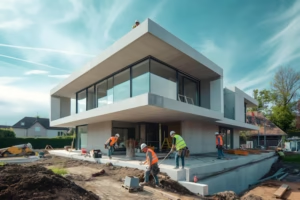

Complete Home Construction Process in Chennai: Stage-by-Stage Guide (2026)

Building a house in Chennai is very different from building one in most other Indian cities. From black cotton soil in Tambaram to sandy coastal belts along ECR and OMR, every locality presents unique structural, regulatory, and climate challenges. This guide explains the home construction process in Chennai step by step, covering approvals, timelines, costs, soil conditions, waterproofing, and finishing decisions that directly impact durability and comfort. If you are planning an independent house in Chennai in 2026, this guide helps you avoid costly mistakes, unrealistic timelines, and hidden expenses.

What Is the Home Construction Process in Chennai?

The home construction process in Chennai is a structured construction workflow that moves from site assessment and approvals to structural execution, finishing, and handover—while accounting for Chennai’s soil types, monsoon climate, coastal corrosion risks, and CMDA regulations.

Unlike generic house-building guides, Chennai construction requires:

  • Correct foundation selection based on soil and water table
  • CMDA vs local body approval clarity
  • Monsoon-resistant waterproofing
  • Heat-reducing design strategies

A typical 1500–2000 sq.ft independent house in Chennai takes 12–15 months, including approvals. Projects overlapping with the October–December monsoon or festival labor shortages often extend further.

What Happens During Pre-Construction Planning in Chennai?

Pre-construction is the most underestimated phase and the most critical. Errors here lead to structural issues, approval delays, and budget overruns later.

What Should a Chennai Pre-Construction Checklist Include?

Before site work begins, ensure the following are completed:

  • Soil investigation report
  • Water table depth assessment
  • Borewell feasibility study
  • Property boundary and survey verification
  • Utility access (EB, metro water, drainage)
  • Approval authority confirmation (CMDA or local body)

Skipping any of these increases construction risk significantly.
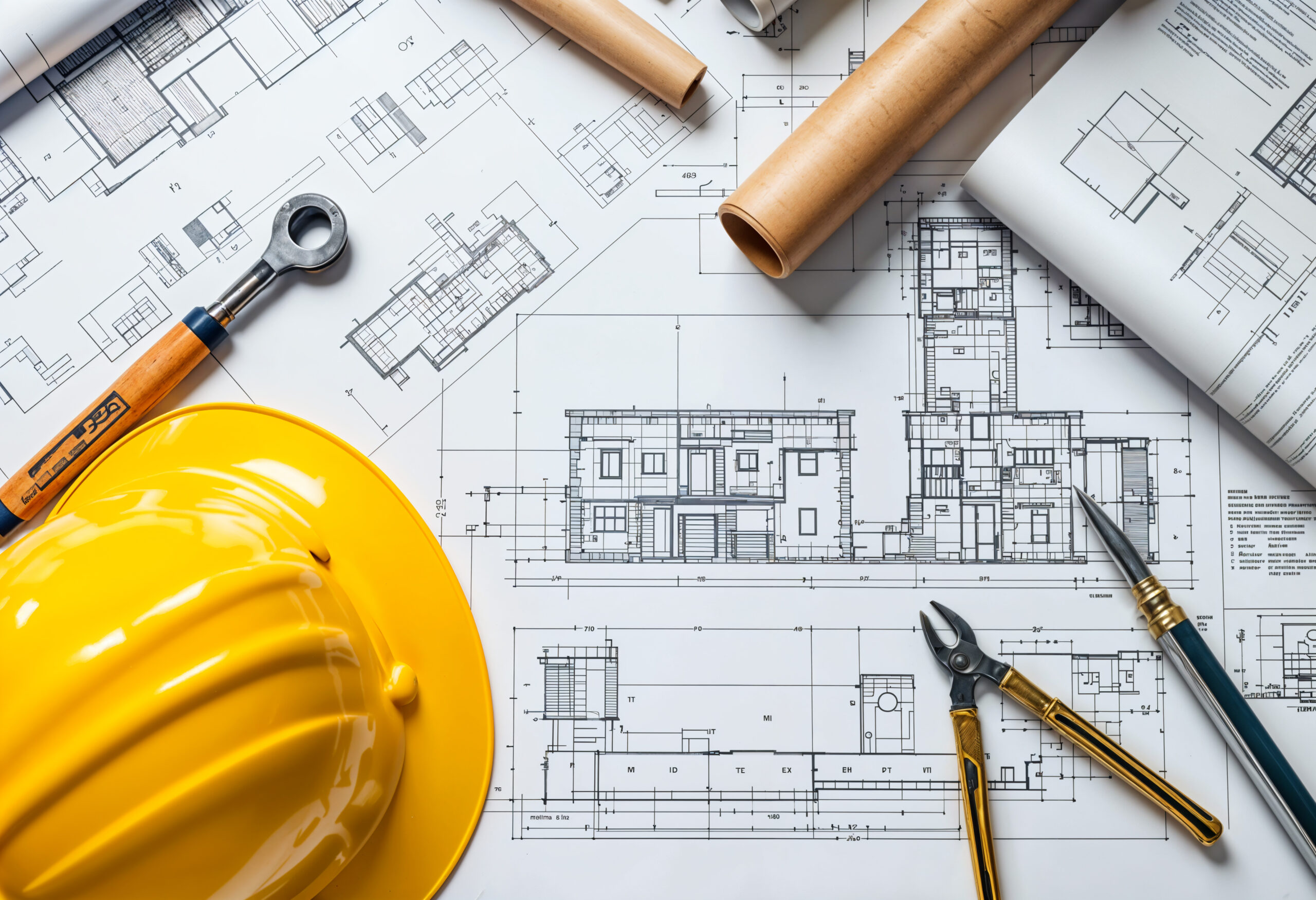
Home Construction Process in Chennai

How Does Soil Type Affect Foundation Design in Chennai?

Chennai has multiple soil zones, and foundation design must change accordingly.

Common Soil Types by Chennai Locality

Soil Type Localities Foundation Recommendation
Sandy Coastal ECR, Thiruvanmiyur Deeper footings / Raft foundation
Black Cotton Soil Tambaram, Avadi, Porur Raft or Pile foundation
Red Soil Pallavaram, Chrompet Standard isolated footings
Clay Soil Red Hills, Ambattur Isolated footings with proper compaction

A soil test costing ₹8,000–₹15,000 determines bearing capacity and prevents long-term settlement issues.

Coastal Corrosion Considerations

For homes near the coast:

  • Use Fe550 / 60-grade TMT steel
  • Increase concrete cover to 50 mm
  • Add corrosion inhibitors
  • Extend curing duration

These steps significantly improve structural life in salt-laden air.

Waterproofing process for Chennai homes designed for monsoon rains and high humidity

CMDA vs Local Body Approval: Which One Applies to Your Plot?

Approval authority depends entirely on your plot location.

CMDA Jurisdiction Areas

  • OMR
  • Velachery
  • Adyar
  • Anna Nagar
  • Most core Chennai zones

Local Body Approval Areas

  • Guduvanchery
  • Minjur
  • Outer Avadi
  • Peripheral town panchayats

2025–2026 TNCDBR Key Rules

  • FSI:
    1. Up to 1.5 for plots below 2400 sq.ft
    2. Up to 2.0 for larger plots
  • Mandatory rainwater harvesting above 100 sq.m
  • Minimum 1.5 m side setback
  • Online plan scrutiny mandatory
  • Fast-track approval for standard designs under 2400 sq.ft

What Are the Realistic Layout Approval Steps in Chennai?

Most blogs claim approvals take 2–3 weeks. In reality, expect 45–75 days.

Actual Approval Timeline

  1. Document preparation – 5–7 days
  2. Online submission – 1 day
  3. Initial scrutiny – 10–15 days
  4. Site inspection – ~20 days
  5. Query resolution – 7–20 days
  6. Final approval – 5–10 days

Common Reasons Plans Get Rejected

  • Setback violations
  • Height exceeding 10.5 m
  • Missing rainwater harvesting plan
  • Parking non-compliance
  • Survey document mismatch

Approval Costs

  • Plan scrutiny: ₹5,000–₹18,000
  • Architect drawings: ₹150–₹300 per sq.ft
  • Structural design: ₹30,000–₹60,000
  • Temporary EB connection: ₹15,000–₹25,000

What Is the Site Marking Process and Why Is It Critical?

The site marking process transfers approved drawings onto the ground.

Key Checks During Site Marking

  • Setbacks match approval drawings
  • Column grid aligns perfectly
  • Footing layout marking accuracy
  • Plumbing line alignment planned before excavation

Always insist on engineer supervision at this stage. Errors here are expensive to correct later.

What Are the Structural Execution Steps in Chennai Construction?

Structural execution consumes 40–45% of the total budget and determines building safety.

Civil Work Sequence

  1. Excavation and PCC
  2. Footings and foundation
  3. Columns
  4. Beams
  5. Slab concreting

Each floor typically takes 25–35 days, including curing.

Slab Concreting Steps and Curing Timeline Best Practices

Proper curing is non-negotiable in Chennai heat.

  • Days 1–3: Continuous ponding
  • Days 4–14: Watering 3–4 times daily
  • Days 15–21: Once daily

Formwork should not be removed before 14 days (21 days for large spans).

How Does Monsoon Impact the Building Process Timeline?

October–December monsoon causes:

  • 15–30 day delays
  • No slab pouring during heavy rains
  • Higher waterproofing risks

Plan structural work outside monsoon whenever possible.

How Are Plumbing Line Installation and Electrical Rough-In Done?

Plumbing Line Installation

Chennai homes must plan for dual water systems.

Borewell success rates:

  • Tambaram: 75–85%
  • OMR: 60–70%
  • West Chennai: 50–60%
  • North Chennai: 40–50%

Recommended tank sizes:

  • 3 BHK: 3000L sump + 1500L overhead
  • 4 BHK: 5000L sump + 2000L overhead

Electrical Rough-In Planning

  • Separate circuits for ACs and geysers
  • Boards minimum 4 feet above floor in flood-prone areas
  • Provision for solar panels
  • Proper earthing in all circuits

What Waterproofing Process Works Best for Chennai Climate?

Waterproofing failures are common due to humidity and flooding.

Mandatory Waterproofing Areas

  • Bathrooms (up to 6 feet height)
  • Terrace (two-coat polymer system)
  • External walls on south and west
  • Foundation below plinth level

Flood-prone localities like Velachery and Mudichur require additional drainage planning.

What Is the Correct Finishing Process in Chennai Homes?

Tile Laying Sequence and Painting Stages

Correct order prevents long-term defects:

  1. Internal plastering and curing (7 days)
  2. Floor tile laying
  3. Bathroom and kitchen wall tiles
  4. First putty coat
  5. Door and window installation
  6. Final putty and sanding
  7. Primer
  8. Two paint coats

Skipping plaster curing leads to paint bubbling within months.

Which Finishing Materials Last in Chennai Climate?

Best Material Choices

  • Vitrified tiles: Moisture-resistant
  • Granite: Durable but slippery when wet
  • Avoid marble: Highly porous
  • External paint: Anti-algal acrylic
  • Windows: uPVC for coastal areas
  • Anti-termite treatment: Mandatory

How Can You Reduce Heat in Chennai Homes Naturally?

Climate-Responsive Design Strategies

  • Light-colored terrace tiles
  • False ceiling insulation on top floors
  • Cavity walls on west side
  • 2–3 feet sunshades on south/west windows
  • Cross-ventilation over orientation myths

These measures reduce AC dependency by 30–40%.

What Is the Real Building Process Timeline in Chennai?

Month-by-Month Timeline (1500 sq.ft G+1)

  • Months 1–2: Approvals and planning
  • Month 3: Foundation
  • Months 4–5: Ground floor structure
  • Months 6–7: First floor structure
  • Month 8: Walls and rough-ins
  • Months 9–10: Plastering and flooring
  • Months 11–12: Finishing
  • Month 13: Quality checks and handover

Fast-track completion is possible only with strict planning and no monsoon overlap.

What Is the Real Cost of Building a House in Chennai in 2026?

Per Sq.Ft Construction Cost

  • Economy: ₹1,400–₹1,700
  • Standard: ₹1,800–₹2,200
  • Premium: ₹2,500–₹3,500

Hidden Costs Most Quotes Exclude

  • Borewell: ₹60,000–₹1,50,000
  • Compound wall: ₹280–₹380 per running foot
  • Rainwater harvesting: ₹25,000–₹50,000
  • Water tanks: ₹40,000–₹70,000
  • Site supervision: ₹1.2–₹2 lakhs

Expect 20–25% over base cost.

How Do You Choose a Contractor Without Getting Cheated?

Red Flags

  • No written BOQ
  • Large advance demands
  • Unrealistically low pricing
  • No penalty clause

Essential Contract Clauses

  • Delay penalty: ₹500–₹1,000/day
  • Brand-specific material listing
  • Stage-wise payment schedule
  • Warranty terms clearly defined

What Quality Check Checklist Should Owners Follow?

Stage-Wise Quality Checks

  • Foundation: Steel spacing and depth
  • Structure: Column plumb, concrete cover
  • Plumbing: Pressure testing
  • Electrical: Proper earthing
  • Finishing: Hollow tile checks

Owner visits should be weekly during structure and frequent during finishing.

Building Smart in Chennai’s Context

The home construction process in Chennai demands more than generic planning. Success depends on understanding soil behavior, approval regulations, monsoon risks, climate-responsive design, and realistic budgeting. By following a structured construction workflow, planning for hidden costs, insisting on quality checks, and aligning design choices with Chennai’s climate, homeowners can build durable, comfortable homes that perform well for decades.

This stage-by-stage guide provides the clarity and confidence needed to navigate Chennai construction in 2026 without surprises, shortcuts, or costly mistakes.

Frequently Asked Questions (FAQs)

How long does the home construction process in Chennai take?

Including approvals, a standard independent house takes 12–15 months. Monsoon and labor shortages can extend this to 16–18 months.

 Standard construction costs ₹1,800–₹2,200 per sq.ft .

Black cotton soil in Tambaram, Avadi, and Porur requires raft foundations due to expansion and contraction.

Urban Chennai requires CMDA approval. Peripheral areas fall under local body jurisdiction.

Plan dual water systems, adequate tank capacity, rainwater harvesting, and stormwater drainage. 

Message Successfully Sent

Our Team will Reach you within 15mints. Thanks for your Message

Fill your form

Your dream space begins here – fill in the details to get started.
Fill your form

Your dream space begins here – fill in the details to get started.